Develop teams that can deliver.
Build trust, clarify ownership, coach emerging leaders, and create the conditions for consistent performance across locations and functions.
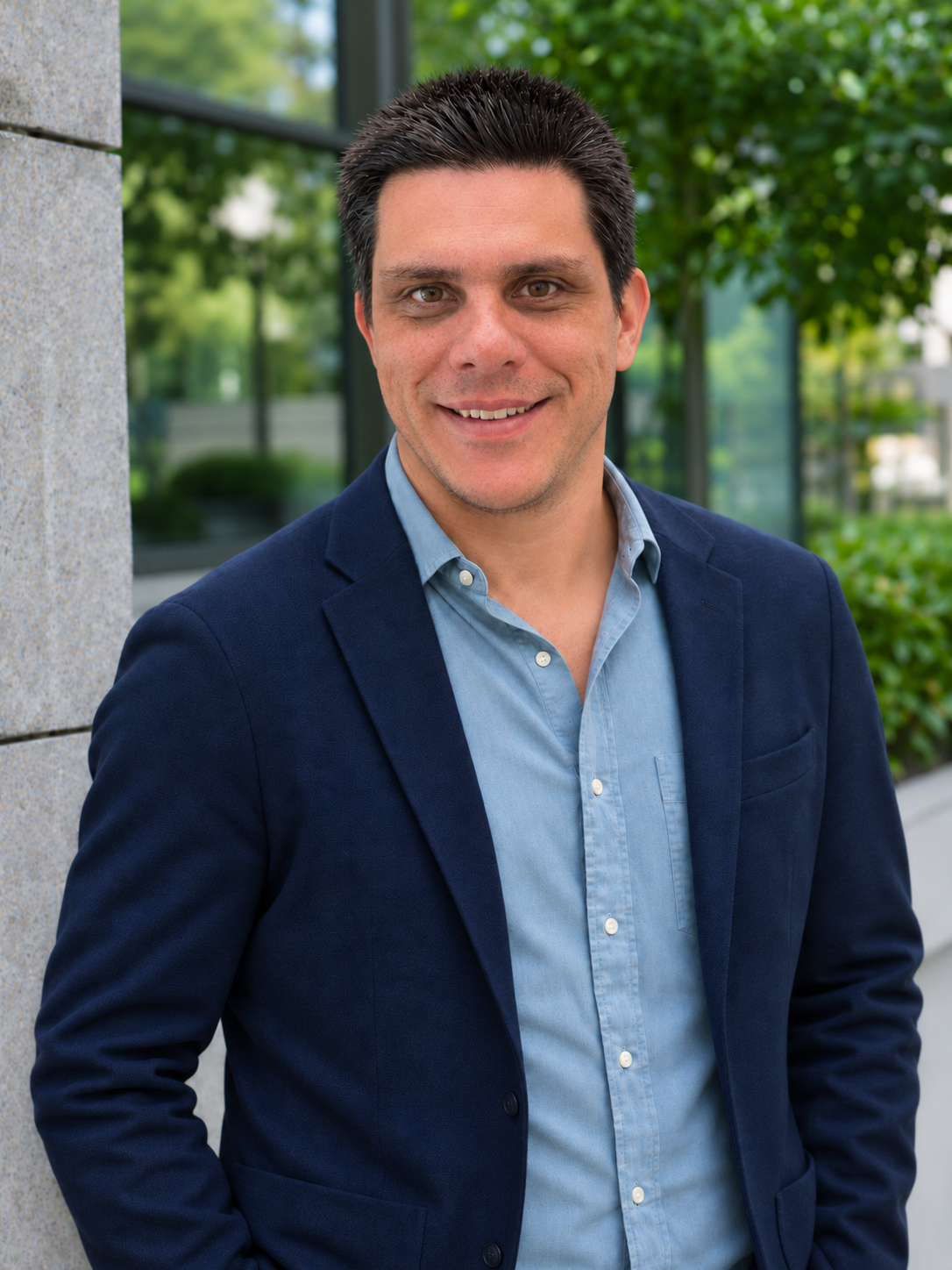
I'm Brian Feliberty. I lead teams, solve operational challenges, and build practical systems that help people and organizations do their best work.
Effective leadership is a combination of sound judgment, clear priorities, capable people, and systems that support execution.
Build trust, clarify ownership, coach emerging leaders, and create the conditions for consistent performance across locations and functions.
Translate difficult operational problems into practical plans, measurable priorities, and workflows that people can actually follow.
Apply data, automation, and emerging technology to remove friction and improve decision-making without losing sight of the people involved.
My work spans delivery performance, operational systems, client experience, and quality improvement. These examples come from my leadership work at SlideGenius.
Recent on-time delivery figures reflect monthly results during 2026; the 2025 year-end result was 92.1%. Customer satisfaction is a reported 2025 organizational outcome. Setup time reflects a later process improvement; the metric was eventually retired after the process became consistently reliable.
Above 99% in multiple recent months of 2026, improving on the 92.1% result reported at 2025 year-end.
Reduced from a formerly tracked 99-minute average to under 30 minutes; ultimately became reliable enough to stop tracking separately.
2025 year-end CSAT outcome in a high-touch creative delivery environment.
Leadership across U.S. teams in four time zones, the UK, and the Philippines, aligning people, capacity, and client commitments.
More than 20 years of leadership experience across creative services, financial services, and branch operations. The common thread is helping teams deliver, customers succeed, and businesses operate better.
"The best operational solutions are the ones teams can sustain long after the initial fix."
I'm at my best where leadership, complexity, and meaningful change intersect.
Managed 25+ projects per month across timelines, budgets, creative teams, and client expectations.
Directed daily storefront and warehouse operations at a high-volume Southern California location, including team training, inventory, and client relationships.
Led branch teams of 8–16, with responsibility for coaching, performance, service strategy, sales, and client retention.
Advanced through customer service, sales supervision, and financial services roles.
An important part of my career has been stepping into situations that need attention. Working alongside teams, diagnosing what is not working, and leaving behind stronger practices and more confident leaders.
The assignment is rarely just to fix today's issue. It is to build the capability for the team to succeed after I leave.
Three examples from financial services and global delivery. Explore the problem, my approach, and what changed.
The branch manager was beginning maternity leave, the operations officer had departed, and an independent audit-preparation review had uncovered significant procedural deficiencies. I was asked to help stabilize the branch during this transition.
I reviewed findings, observed daily work before making recommendations, and interviewed employees to understand inconsistent practices. I introduced standardized checklists, reference tools, documented procedures, and practical controls. I also spent intensive time coaching the newly hired operations officer and helping the team adopt consistent routines.
Approximately one month after my three-week assignment, the branch passed its follow-up third-party inspection with zero significant findings. Several process tools I developed were later adopted more broadly across branches.
I built a rolling 12-month staffing model combining Jira data, three years of workload history, geographic and skill-based capacity, hiring and training lead times, attrition, and scheduled absences. Leaders can adjust assumptions to compare staffing scenarios. The model is in active use, and our CEO requested it for a broader organizational initiative.
I administer Jira configurations, workflows, automations, and access within Atlassian. Using Rovo, I've built department-focused AI agents drawing on Confluence and active Jira information for functions such as project management, creative operations, HR, and legal. I've also trained teams on practical AI tools and participated in early AI-assisted quality review pilots.
Before managing a new café-style credit union branch, I helped test advanced banking technologies and provided vendor feedback. In the branch, I proposed portable Microsoft Surface workstations, helped solve device and printing integration challenges, and trained employees to provide service throughout the open-format space.
Across organizations, I find information and opportunities that are already present but underused. I turn them into practical tools, reliable workflows, and better-informed decisions without losing sight of the people who must use them.
My workforce forecasting model supports current leadership planning. Earlier Excel-based operational tools I developed at the credit union remained in use years after I left. AI agent deployment continues to expand as teams adopt the new capabilities.
As SlideGenius grew, informal project tracking and loosely defined responsibilities made it difficult to see true capacity, establish dependable deadlines, and assign accountability across US and Philippine teams.
I built a matrix-based delivery structure aligning teams to specific client portfolios, with clearer ownership of production planning, client communication, and escalation. I introduced capacity and time planning through Atlassian Tempo, plus Jira workflows and setup processes that made work more visible and predictable.
My department provides operational leadership for an 84-person delivery organization, coordinating across four US time zones, the UK, and the Philippines. I invested in developing emerging leaders, created opportunities for cross-time-zone collaboration, and visited Makati and Bacolod to strengthen relationships and understand local operating practices.
Clearer accountability, shared planning practices, and defined escalation pathways helped teams forecast workloads, make realistic commitments, and address problems earlier. I also helped establish a measurable customer satisfaction program.
On-time delivery exceeded 99% in multiple recent months of 2026, following a 92.1% result at 2025 year-end. CSAT is a reported 2025 organizational outcome. Setup time reflects a later process improvement, reduced from a previously tracked 99-minute average; the metric was eventually retired after the process became consistently reliable. These are organizational results supported by the teams and systems I led.
Selected examples are based on my direct work and reported organizational outcomes. Descriptions focus on operating approach and results rather than proprietary internal details.
Technology has been a through-line in my leadership career. It is not just something I use, but something I configure, create, and integrate into day-to-day operations.
Designed an integrated staffing and capacity forecasting model that combines expected business volume, hiring lead times, training ramp-up, attrition, and available workforce capacity to help leadership anticipate needs and make informed decisions.
Serve as a Jira administrator, designing workflow configurations and project tracking systems. Also support company systems administration as one of two primary internal IT experts, connecting operational needs with practical technical solutions.
Selected to lead a newer café-style credit union branch featuring an open floor plan, tablet-equipped staff, cash automation, and advanced self-service terminals with remote officer access. Helped configure and support the technology while leading the people and service model around it.
An early adopter of AI tools, bringing them into real work processes. Piloted AI-assisted content proofing to catch errors that traditional reviews missed, while reducing the manual time needed for review and corrections.
A personal Windows and mobile dashboard project exploring live telemetry, secure device communication, system monitoring, and operational interfaces. A demonstration of hands-on curiosity, not a commercial product.
Interested in discussing leadership, operations, transformation, or an interesting problem worth solving? I'd welcome the conversation.